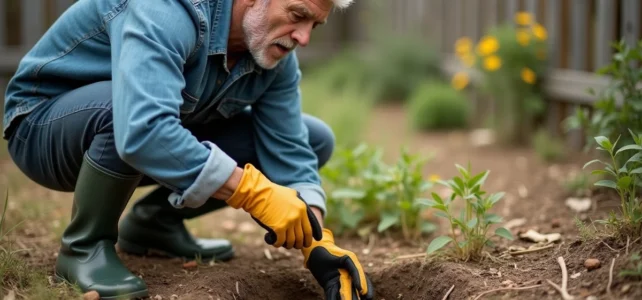
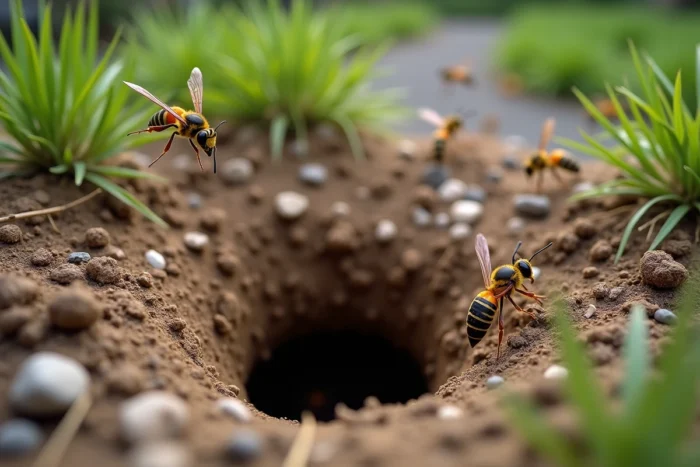
Ground wasps dig their galleries in loose, sandy, or sparsely vegetated soil. The entrance hole, often unique, measures between one and two centimeters in diameter. A low-flying stream of insects in full sunlight, a small mound of fresh earth around the opening: these two signs are enough to confirm the presence of an underground colony.
Before deciding anything, the first step is to understand who really lives beneath your feet and what regulatory framework governs the destruction of such a nest.
Certibiocide TP18 Certification and Owner Responsibility
Gardening articles often suggest blocking the hole or pouring boiling water. These DIY methods overlook a concrete legal point: the destruction of a wasp nest falls under a professional certified by Certibiocide TP18. This certification ensures that the operator is skilled in the use of authorized biocidal products for treating stinging insects.
The responsibility to call in this professional lies with the owner of the land where the nest is located. In the case of a private garden in a co-ownership, it is neither the property manager nor the neighbor who must act, but the owner of the concerned plot.
For a rental property, the tenant is required to report the nest in writing to the landlord (photos, precise location). It is then up to the owner to hire the pest control company. If you want to learn everything about ground wasp nests, the question of legal responsibility should be at the top of your concerns.
Solitary Wasps or Social Wasps: Distinguishing the Species Before Acting
Not all wasps that nest in the ground pose the same level of risk. Solitary digging wasps (genus Sphex or Bembix) dig individual burrows and do not defend their nest aggressively. They capture other insects to feed their larvae and actively participate in regulating garden pests.
Social wasps (Vespula vulgaris or Vespula germanica), on the other hand, establish colonies that can house several hundred individuals by late summer. Their underground nest is structured in paper mache combs, protected by guards that attack in groups at the slightest vibration.
The distinction is made by observing the aerial traffic:
- A single insect entering and exiting the same hole at spaced intervals indicates a solitary wasp. The risk of a sting is almost nil.
- A continuous flow of several individuals around the same opening, with quick back-and-forth movements, signals a social colony. Caution then becomes mandatory.
- A dull buzzing audible at ground level, especially in warm weather, confirms a dense population beneath the surface.
Acting without having identified the species amounts to destroying a potential ally of the garden. Solitary wasps almost never warrant intervention.
Coexistence or Destruction: Concrete Decision Criteria
Social wasp colonies are annual. Each spring, a young queen establishes a new nest in a new location. With the first severe frost of autumn, the entire colony dies. Only a few fertilized queens survive by hibernating elsewhere.
This biological fact changes the game. A nest discovered at the end of summer will naturally disappear within a few weeks. Destruction is only justified if the nest meets certain specific conditions:
- It is located less than three meters from a regularly used area (entrance door, terrace, children’s play area).
- A household member is allergic to wasp venom, turning a common sting into a medical emergency.
- Garden activity requires working the soil in the immediate vicinity (vegetable garden, flower bed to maintain), creating vibrations that trigger the colony’s aggression.
If the nest is at the back of the property, far from any traffic, coexistence remains the most reasonable option. Social wasps pollinate certain plants and actively hunt caterpillars, flies, and aphids.
The Trap of DIY Methods
Pouring boiling water into the hole does not destroy the combs, which can be located several dozen centimeters deep. The liquid cools quickly upon contact with the soil. The colony, partially affected, then becomes much more aggressive for several hours.
Blocking the entrance with soil or cement produces a similar effect. The workers find or dig an alternative exit, often closer to the house. As for over-the-counter insecticide sprays, their reach is insufficient to reach the heart of an underground nest.
Ground Wasp Nest in Co-Ownership or Rented Land: Who Pays and Who Acts
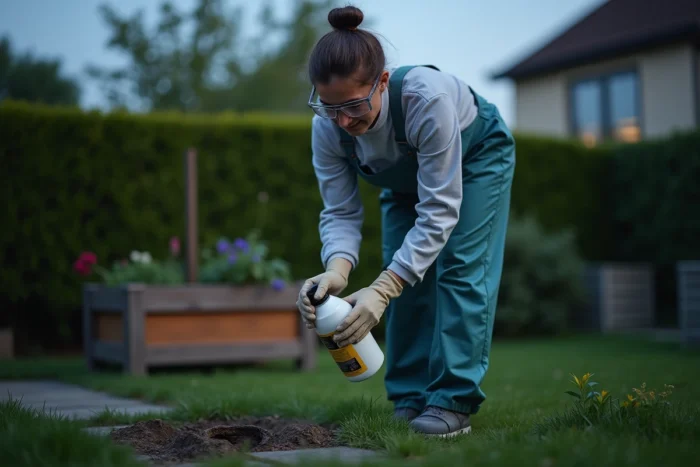
The distribution of responsibilities varies according to the status of land occupancy. In co-ownership, if the nest is in a private garden, the concerned co-owner bears the intervention costs. If the colony has settled in a common area (shared lawn, access slope), it is the property manager who must hire a certified service provider.
In rental situations, the landlord is responsible for the destruction of the nest as long as the tenant has reported it in writing. A simple oral message is not enough to engage the owner’s responsibility. The written request (email, registered letter) must include the location of the nest and, if possible, photographs.
The cost of a professional intervention varies depending on the accessibility of the nest and the size of the colony. Some home insurance policies partially cover pest control, but contracts differ: checking the clauses before contacting a service provider can prevent an unpleasant surprise.
Preventing the Establishment of a Ground Wasp Nest in Spring
Founding queens seek sunny, dry, and loosely compacted soil. A dense, regularly watered lawn significantly reduces the attractiveness of the land. Areas of bare soil at the foot of hedges or along walls are the most common locations.
Lightly compacting these areas with a roller in early spring, before the queens start prospecting, limits the possibilities for digging. A thick mulch on flower beds plays a similar role by covering bare soil.
No commercial repellent has demonstrated effectiveness against digging wasps. Nest-shaped lures, sometimes recommended for aerial wasps, have no effect on underground species that do not perceive these shapes as a territorial threat.
The most useful action remains early observation. In April and May, a lone queen exploring a dry patch of soil can be easily dislodged before any colony foundation. Once the first workers are born, manual intervention without professional equipment becomes risky.