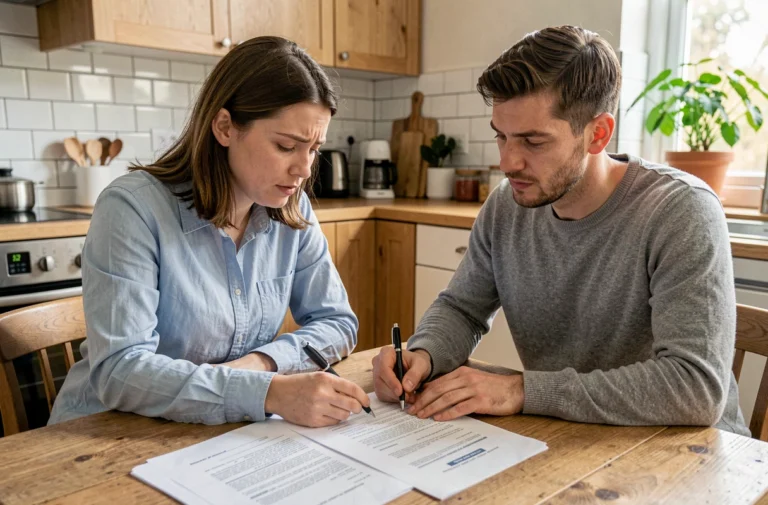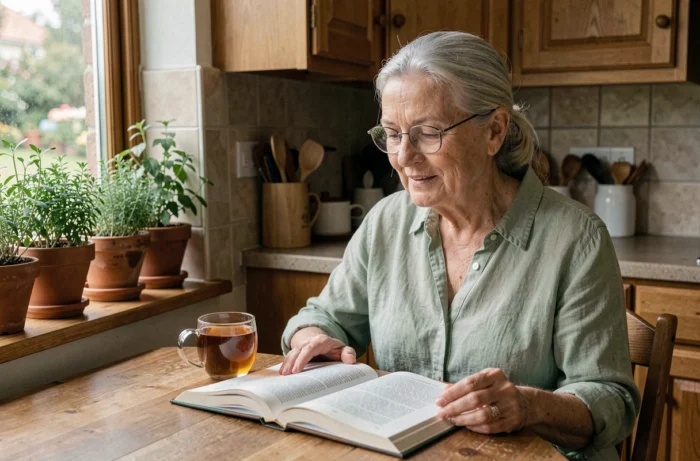
Retirement changes the rhythm of daily life, social relationships, and sometimes self-confidence. Finding the right resources for a fulfilling senior life is not just about a list of hobbies. It is primarily a matter of concrete choices: where to live, how to maintain health, and what systems to mobilize to keep independence for as long as possible.
Intermediate housing for seniors: the alternative between home and nursing homes
The funding of intermediate housing is becoming a focus of the policy to prevent loss of autonomy. The PLFSS 2026 plans measures to develop this type of housing, halfway between a traditional home and a nursing home. Independent living residences, co-housing, shared housing: these options allow individuals to maintain their independence while benefiting from collective services (catering, activities, presence of a night watchman).
Intergenerational cohabitation fits into this same logic. Legally framed since the ELAN law, it involves a senior with housing and a younger person who provides regular companionship in exchange for a modest rent. This is not occasional volunteering: it is a form of shared housing with a legal framework. To learn more about Blog Seniors and explore these options on a daily basis, the exchange of experiences among peers remains a valuable lever.
Assessing the quality of a nursing home: new concrete indicators
Choosing a facility for a loved one (or for oneself) has long relied on word of mouth. Since September 2026, the situation is evolving. New quality indicators are now published for nursing homes: staff-to-resident ratio, absenteeism rates, team turnover.
Why do these data change the game? Because they allow families to compare facilities based on objective criteria, not just on the quality of the welcome brochure. UFC-Que Choisir has welcomed this advancement, highlighting that families will finally be able to compare facilities transparently.
What these indicators reveal
A high staff turnover rate often signals a problem with working conditions. A lack of staff undermines the exercise of residents’ fundamental rights. A facility that struggles to retain its caregivers will find it more challenging to provide stable support.
Before visiting a nursing home, check these indicators on public platforms. Also, ask direct questions during the visit:
- What is the caregiver-to-resident ratio at night, not just during the day?
- How does the facility manage replacements in case of absence?
- Do residents participate in decisions about their daily lives (meals, schedules, outings)?
A nursing home that is transparent about its figures inspires more trust than a facility that avoids these questions.
Adapted physical activity and fall prevention
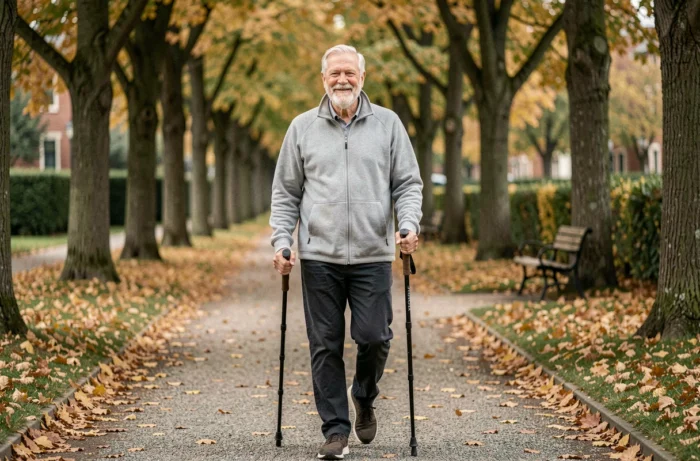
Preventing loss of autonomy involves both the body and the organization of housing. Gentle exercise focused on balance reduces the risk of falls, the leading cause of loss of autonomy among older adults. Municipal programs are developing in several French cities to offer adapted sessions.
The idea is not to engage in intensive sports, but to maintain the abilities that matter in daily life: getting up from a chair, climbing stairs, reaching for an object on a high shelf. Regular assessment of physical, cognitive, and sensory abilities allows for exercises to be tailored to real needs.
Cognitive stimulation in daily life
Physical activity alone is not enough. Cognitive stimulation protects against the decline of mental functions. Reading, strategy games, learning a language or an instrument: the goal is to regularly engage various brain circuits.
What works best is the combination. A daily walk combined with a social activity (group class, community workshop) produces effects on balance, memory, and morale simultaneously.
Nutrition and social connection: two often underestimated pillars
The nutrition of seniors is not just about “eating balanced meals.” With age, appetite decreases, meals taken alone become monotonous, and malnutrition affects a significant portion of people over 70 living at home.
Sharing a meal remains the best appetite stimulant. Home meal deliveries ensure nutritional intake but do not replace the social dimension of the table. Municipal senior restaurants, communal dining in independent living residences, or shared meals among neighbors meet this dual need.
Social connection acts as a protective factor against depression and cognitive decline. Staying at home remains at the center of public policies, but it assumes that living at home does not mean living alone.
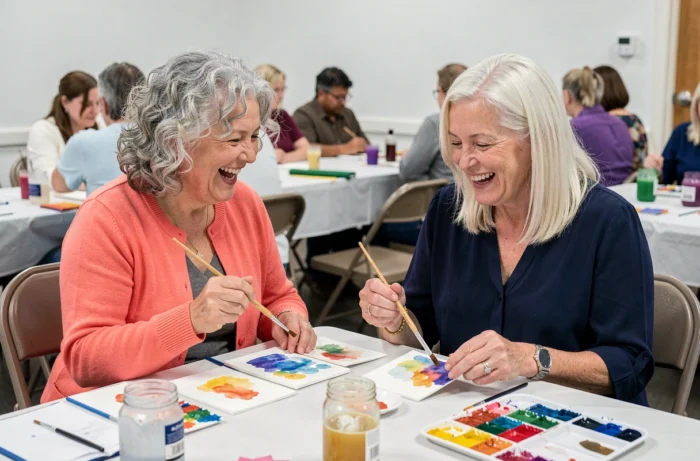
- Participating in a weekly workshop (cooking, gardening, choir) creates a regular social routine.
- Volunteering offers a sense of purpose that enhances self-esteem after leaving the workforce.
- Digital tools (video conferencing, simplified messaging) complement physical meetings without replacing them.
A fulfilling senior life does not rely on a single recipe. It depends on suitable housing choices, vigilance regarding physical and cognitive health, and regularly maintained human connections. Public systems are evolving, nursing home comparators are becoming clearer, and housing forms are diversifying. The tools exist, and most are accessible starting today.