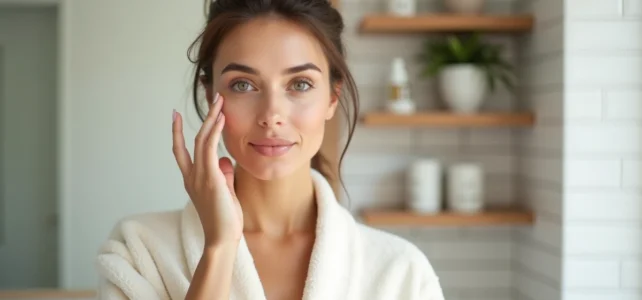
The cosmetic formulation is evolving faster than shopping habits. Between the rise of biotechnology actives, AI-driven skin diagnostic tools, and the shift towards waterless textures, the beauty routines of 2026 have little in common with those from three years ago. We take stock of the beauty trends and tips that really matter to enhance your skin, makeup, and daily care.
AI Skin Diagnosis: How Skin Scanning Changes Your Facial Care
AI-based skin scanning applications are among the main growth drivers in the skincare market. Their principle: analyze a high-resolution photo of your face to assess hydration, pore size, pigmentation spots, and the depth of fine lines.
The interest lies not in the gadget, but in real-time routine adjustments. Dehydrated skin in winter does not require the same serum as during the summer under strong UV. Algorithms cross-reference environmental data (humidity, pollution, UV index) with the measured state of the epidermis to propose an updated protocol.
We recommend cross-referencing these results with an in-salon assessment. Photo scanning remains limited on darker skin tones (colorimetric calibration varies by sensors) and does not replace a tactile analysis of the skin barrier. Consider the tool as a complement, not a substitute for advice from a trained professional in cosmetology.
To explore products and treatments suitable for each skin type, the beauty universe of Espace Forme et Beauté offers a selection that covers facial care, makeup, and body care.
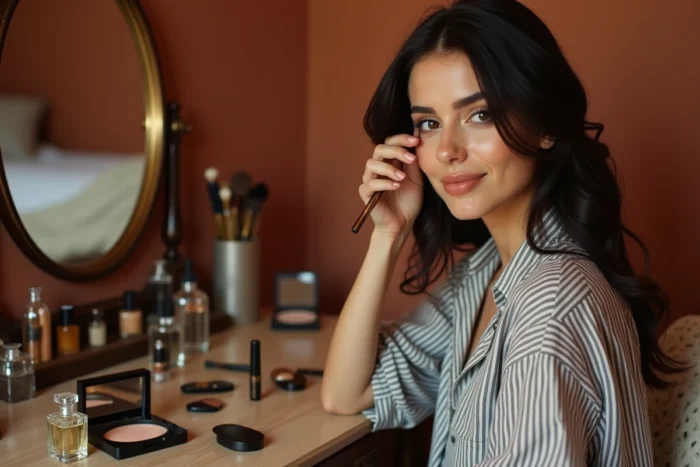
Waterless Formulations and Solid Cosmetics: Trend or Real Benefit for the Skin
Water-free formats (compressed powders, cleansing bars, anhydrous serums) are gaining ground in daily beauty routines. The removal of water from the formula has a direct technical consequence: the concentration of actives increases per unit of product. An anhydrous serum based on squalane or bakuchiol delivers its active ingredients without dilution.
The other advantage is the drastic reduction of preservatives. Without an aqueous phase, the risk of microbial proliferation decreases, allowing for the elimination of molecules like phenoxyethanol or parabens without compromising stability.
Limitations to Know Before Switching to Waterless
- Solid textures are not well-suited for atopic or very reactive skin, as the mechanical friction during application can irritate the weakened skin barrier.
- The dosage is less precise than with a pump bottle: there is a tendency to take too much product, which skews the cost-use ratio.
- Storage outside of water does not mean infinite shelf life. Fatty substances can go rancid, especially if the product is exposed to heat or direct light.
The waterless format deserves its place in a routine, provided the right gestures are targeted. We willingly use it for cleansing and body care, less so for facial actives where dosage precision remains crucial.
Skinified Makeup: When Facial Care Merges with Beauty
The trend of care-based makeup redistributes product categories. Foundations now incorporate hyaluronic acid, niacinamide, or peptides. Lipsticks contain ceramides. Makeup is no longer a concealing veil; it’s an additional layer of treatment.
This convergence impacts how to build your routine. If your foundation already contains SPF and niacinamide, layering a niacinamide serum underneath amounts to overdosing the active, with a risk of irritation or pilling (those unsightly little balls during application).
Building a Cohesive Layering with Care Makeup
Start by listing the actives present in each product of your routine, from cleanser to foundation. Identify duplicates. One active per function is sufficient in most cases.
Favor lightweight textures under a skinified foundation. A rich cream under a foundation enriched with hyaluronic acid creates an occlusive film that prevents the active ingredients in the makeup from penetrating properly. A watery serum or a dry oil base works better.

Organic and Cruelty-Free Care: Reading Labels with a Technical Eye
The demand for organic, vegan, and cruelty-free skincare is one of the structuring trends in the global market for the period 2026-2034, according to data from Fortune Business Insights. This dynamic is concretely changing the composition of products available on shelves.
The organic label does not guarantee the total absence of synthetic molecules. The Cosmos Organic or Natrue standards allow for a variable percentage of non-organic ingredients. Checking the percentage of organic ingredients out of the total product (indicated on the back of the packaging) remains the most reliable reflex.
- Cosmos Organic requires that at least a significant portion of the plant ingredients come from certified organic farming.
- The “cruelty-free” label (Leaping Bunny, PETA) pertains to the absence of animal testing for the finished product and its ingredients, but says nothing about the composition itself.
- A vegan product may contain aggressive sulfate surfactants. Veganism and gentleness are not synonymous in formulation.
We observe that the most common trap is to confuse clean marketing with cosmetic performance. A well-formulated conventional product sometimes protects the skin barrier better than a poorly balanced organic care product. The decisive criterion remains the INCI list, not the logo on the packaging.
The beauty trends of 2026 converge towards a single principle: personalize, simplify, verify. AI refines diagnostics, waterless formats concentrate actives, skinified makeup reduces the number of layers, and organic labels gain in readability. The most useful daily gesture remains to read the composition of each product before integrating it into your routine, rather than following a trend by reflex.