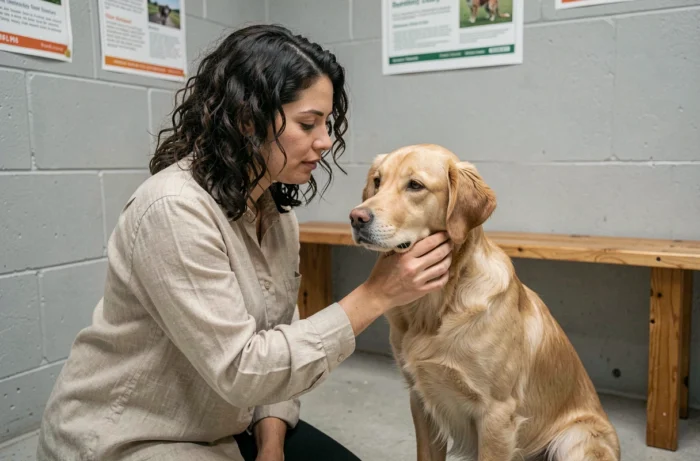
An adopted cat from a shelter that scratches the sofa on the very first night, a dog that barks at every postman for three weeks: most returns to shelters occur within the first two months due to a lack of concrete preparation. Adopting a pet commits you to ten to twenty years of shared life. To ensure this cohabitation works, it’s beneficial to anticipate the constraints even before contacting a shelter or a registered breeder.
Sanctions in pet stores and transfers between individuals: what the law mandates in 2026
Since January 1, 2024, the sale and free transfer of dogs and cats in pet stores are prohibited in France. A decree from August 1, 2026, has strengthened the regulations with specific fines per animal for violating establishments.
The amounts speak for themselves: up to €1,500 per animal transferred (€3,000 for repeat offenders) and up to €750 per animal displayed in a window visible from the street. The goal is to curb impulsive purchases, which subsequently feed into overcrowded shelters.
The commitment and knowledge certificate, mandatory since October 1, 2022, applies to the acquisition of dogs, cats, ferrets, and rabbits. It imposes a non-reducible seven-day period between signing the document and handing over the animal, including in cases of donations between individuals.
Detailed listings and profiles can be found on animagora.fr, allowing you to prepare for this waiting period by consulting the profiles of available animals before making a visit.

Actual adoption budget: veterinary costs and expenses in the first year
The main barrier to a smooth adoption is not the love at first sight, but the poorly anticipated budget. The fee requested at a shelter generally covers sterilization, identification, and initial vaccinations. At a registered breeder, the purchase price is higher, but health guarantees are regulated by a mandatory veterinary certificate.
After adoption, expenses can quickly accumulate in the first twelve months:
- Food suitable for the size and age of the animal, to be renewed each month (a large dog consumes significantly more than an apartment cat)
- Follow-up veterinary visits, vaccination boosters, and antiparasitic treatments, with costs varying by region and clinic
- Basic equipment (bed, bowls, scratching post or leash, transport cage for a cat)
- Pet health insurance, optional but recommended to cover unexpected surgical costs
Returns vary on this point, but the first year represents the heaviest item in the overall budget. Once the animal is settled and healthy, expenses stabilize.
Adapting your living space before the arrival of the animal
The impact of housing on the behavior of a newly adopted companion is often underestimated. A medium-sized dog in a studio without a balcony is feasible, but only if taken out at least three times a day for long walks. An apartment cat needs a vertical environment (shelves, cat tree) to compensate for the lack of a garden.
Preparing the house room by room
Before the arrival, secure the spaces. Electrical cables, toxic plants (lilies, philodendrons), accessible cleaning products: each room deserves a quick inspection. For a dog, defining a calm resting area from day one reduces the stress of the transition.
For a cat, placing the litter box away from the food bowl and providing a high observation point facilitates adaptation. In the first days, limiting access to just one room helps the animal get oriented without being overwhelmed by too large a space.

Veterinary certificate and mandatory documents to check on the day of adoption
Whether going through a shelter, an association, or a breeder, a list of documents must accompany the animal at the time of transfer. Checking them on-site avoids administrative or health complications later on.
- The commitment and knowledge certificate, signed at least seven days before the actual handover of the animal
- The veterinary certificate attesting to the health status at the time of transfer
- The identification certificate (tattoo or microchip), mandatory for dogs and cats
- The health record or European passport, with up-to-date vaccinations
In a shelter, the animal is generally already identified and vaccinated. With a private individual, checking the identification by microchip remains a priority: without it, there is no proof of ownership in case of loss or dispute.
Change of ownership after adoption
The transfer of ownership must be declared to the national I-CAD file within eight days following the transfer. This step, often forgotten, is the only one that officially establishes the link between the animal and its new home. It can be done online or through the veterinarian.
First days with the adopted animal: managing the adaptation period
An animal coming from a shelter has often experienced abandonment, sometimes multiple times. The first weeks do not reflect its true temperament. A withdrawn dog can become playful in three weeks. A cat hiding under the bed for five days will eventually explore the house once reassured.
The ground rule: do not force physical contact in the first days. Allow the animal to come to you, maintain regular meal times, limit visits from friends or family. Routine reassures more than forced cuddles.
For a dog, the first walks on a leash serve as much to discover the neighborhood as to lay the foundations for daily communication. Rewarding good behaviors rather than punishing bad ones yields more lasting results, especially with an animal with an uncertain past.
Adopting a pet peacefully involves these concrete steps: verified budget, prepared space, proper documents, and patience calibrated for the first weeks. The rest, the bond, the rituals, the spot on the couch, comes with time.