
Around-the-world travel is not just about ticking destinations off a map. In recent years, the dominant logic has reversed: travelers design their itinerary around specific activities and then choose countries accordingly. This approach, often referred to as experience-centered travel, changes the way each step is planned, from budgeting to visas.
Cultural immersion and gastronomy: the activities that capture the most budget
Several recent analyses of the tourism sector converge on one point: cultural immersion is now the declared priority of travelers, ahead of the search for adventure and luxury.
Available data indicates that travelers allocate a larger portion of their spending to gastronomy and culinary experiences than to nature, art, sports, or wellness activities. Specifically, this means that a Thai cooking class in Chiang Mai or a night market tour in Sri Lanka weighs more in the budget than a rafting session.
For those looking to structure their journey around this type of activity, it is possible to learn more on tour-du-monde.net to compare options by region and theme.
Nature and adventure activities: choosing the destination by experience
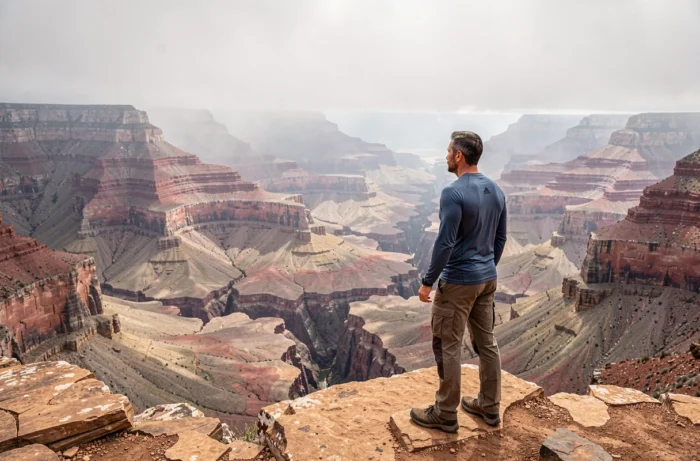
Planning a round-the-world trip by activity rather than by country changes the game. Instead of deciding to go to New Zealand and then looking for things to do there, the reasoning starts from a specific goal: exploring bioluminescent caves, hiking on an active volcano, observing preserved coral reefs.
Three criteria to filter nature activities
- Strict seasonality: some activities are only accessible for a few months each year. The dry season conditions treks in Southeast Asia, and marine wildlife observation depends on currents and migrations.
- Required physical level: a multi-day trek at high altitude (Nepal, Patagonia) requires different preparation than a coastal hike in Portugal. Assessing one’s level before finalizing the itinerary helps avoid dropouts along the way.
- Impact on the overall schedule: an activity that requires two weeks in the same area (such as a diving certification course) restructures the entire planning. It’s better to integrate it early in the trip design.
This “experience first” logic also allows for the discovery of countries that may not have been on the initial list. A traveler drawn to volcanic hiking might find themselves exploring Réunion or Guatemala, two destinations rarely mentioned in classic itineraries.
Family activities: adapting the round-the-world trip for children
Traveling with family around the world imposes constraints that adventure guides often overlook. Children cannot handle the same transport durations, altitudes, or levels of health risk.
The activities that work best for families combine a short engagement time (two to three hours) with a strong sensory dimension. Local cooking workshops with children tick both boxes: active participation, immediate results, cultural discovery without excessive fatigue.
Nature stays suitable for families
Sri Lanka frequently comes up in feedback from traveling families, for its combination of accessible wildlife (elephants, sea turtles), short distances between sites, and suitable infrastructure. France itself, often overlooked in the context of a round-the-world trip, offers useful transition stops: a few days in the mountains or on the coast help recalibrate the pace before a long flight.
A common mistake is to overload the program. Three standout activities per country are sufficient for a successful family stay. Beyond that, accumulated fatigue turns the experience into a logistical chore.
Responsible travel: what changes concretely for activities
The European directive EMPCO, currently being deployed, now regulates sustainability claims in the tourism sector. Operators claiming “eco-responsible” or “sustainable” practices must provide verifiable evidence. For a traveler on a round-the-world trip, this has a direct consequence: the sustainable tourism labels displayed by providers are now more reliable than they were a few years ago.
Some platforms specializing in responsible travel, such as Aguila Voyage or OneStrip, offer activities designed to limit carbon footprints and promote local economic benefits. Choosing a trek led by local guides rather than an international tour operator, or opting for homestays instead of resorts, falls within this logic.
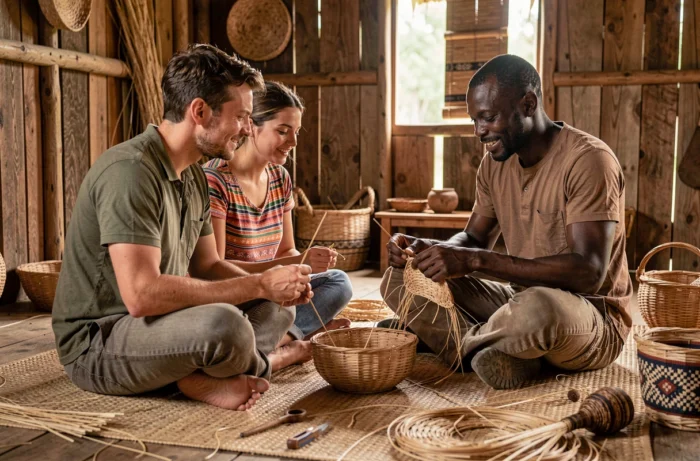
This responsibility criterion is not limited to nature. Cultural activities are also affected: visiting a craft workshop where the income stays within the local community, or participating in a traditional festival without it being artificially recreated for tourists, are part of the concrete choices each traveler can make at each stop.
Cross-referencing tourism sector data with a regulatory framework like the EMPCO directive helps build an itinerary where each stop makes sense. Whether traveling alone, as a couple, or with family, the filter remains the same: an activity chosen because it aligns with a specific goal, not because it appears on a generic list.